
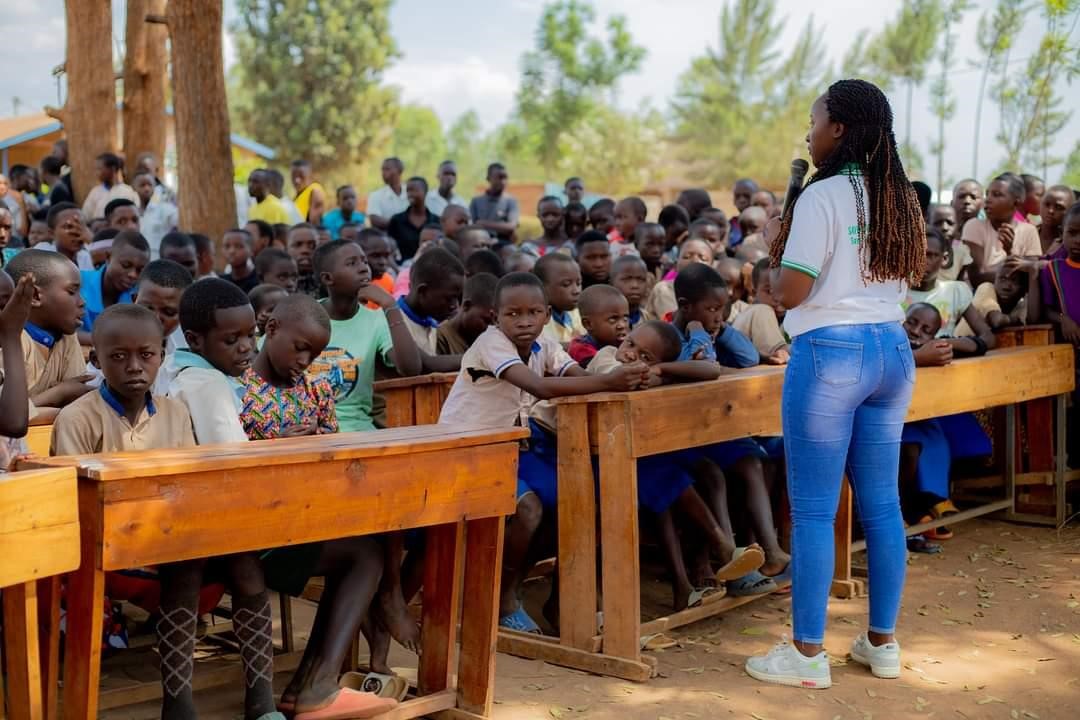
Environmental Awareness
“The Role of Young People in Environmental Protection G.S Rugarama students learn the importance of environmental protection”
Activities & Features
In today’s rapidly changing world, it is imperative for young people to understand the importance of environmental protection. On 13th July 2023, Save Environment Initiative (SEI) under its project “BA AHATOSHYE” organized an event with G.S Rugarama students in Ruhuha Sector, Bugesera District, to discuss their role in protecting the environment.
The students were made aware of the pressing environmental issues, such as climate change, deforestation, and pollution that are affecting the planet. It was emphasized that young people have the power to create a more sustainable future and that they should take an active role in addressing these challenges.
During the discussion, students were educated about the various causes of environmental degradation, such as industrialization, urbanization, and unsustainable agricultural practices. They were also made aware of the consequences of these actions, including the loss of biodiversity, the depletion of natural resources, and the increasing frequency of extreme weather events. This knowledge helped the students understand the importance of adopting sustainable practices in their everyday lives. The discussion then shifted towards encouraging the students to take action in their communities.
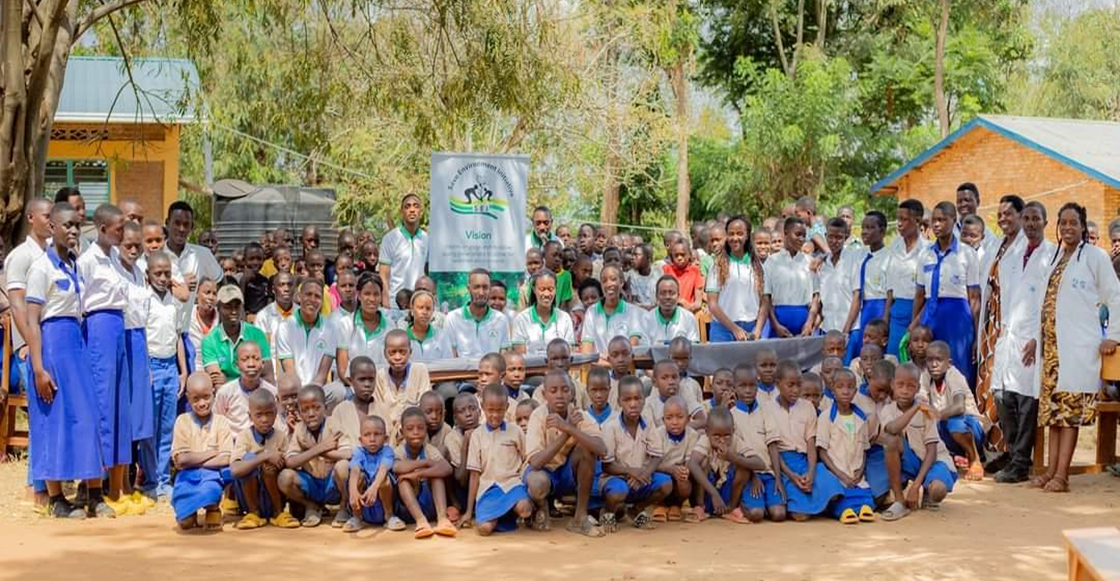
GS Rugarama students and Staff with SEI Team
Students were to become agents of change by inspiring their peers, family members, and community members to take similar actions. Students were informed about the various environmental clubs, organizations, and educational programs available to them, which can help them develop the skills and knowledge needed to lead environmental initiatives. This discussions demonstrated the potential of young people in environmental protection. By fostering a sense of responsibility and empowering them with knowledge and skills, young people can contribute significantly to addressing environmental challenges. With continued support and engagement, the future generation will be equipped to create a more sustainable and prosperous world for all.

The Executive Director (SEI), Mr. Concorde KUBWIMANA
The Executive Director of SEI, Mr. Concorde KUBWIMANA took the opportunity to educate the students about various aspects of the environment, living and non-living things and their interconnectedness. In his address, Mr. KUBWIMANA emphasized that environmental protection is not just the responsibility of governments and environmental organizations, but also of individuals, including students. He explained that every action taken by an individual can have a significant impact on the environment, and it is crucial for people to understand their role in preserving it. He went on to explain the concept of the environment, highlighting that it is a complex system composed of both biotic (living) and abiotic (non-living) components. The biotic components include plants, animals, and microorganisms, while the abiotic components encompass sunlight, water, air, soil, and other natural elements. He stressed the importance of understanding these components and their interactions to better appreciate the significance of environmental protection. The SEI Executive Director also discussed the interconnectedness of various elements within the environment. He highlighted that the health of one species can have a direct impact on the health of other species and the overall ecosystem. For instance, the decline in the population of pollinators like bees can lead to a decrease in crop production, which in turn can affect food security and livelihoods. Mr. Concorde encouraged the G.S Rugarama students to become agents of change in their communities by adopting eco-friendly practices and promoting environmental awareness. He suggested that they could start by reducing their use of single-use plastics and planting trees. Furthermore, he urged them to share their knowledge with their peers, family, and community members to create a ripple effect of positive change.
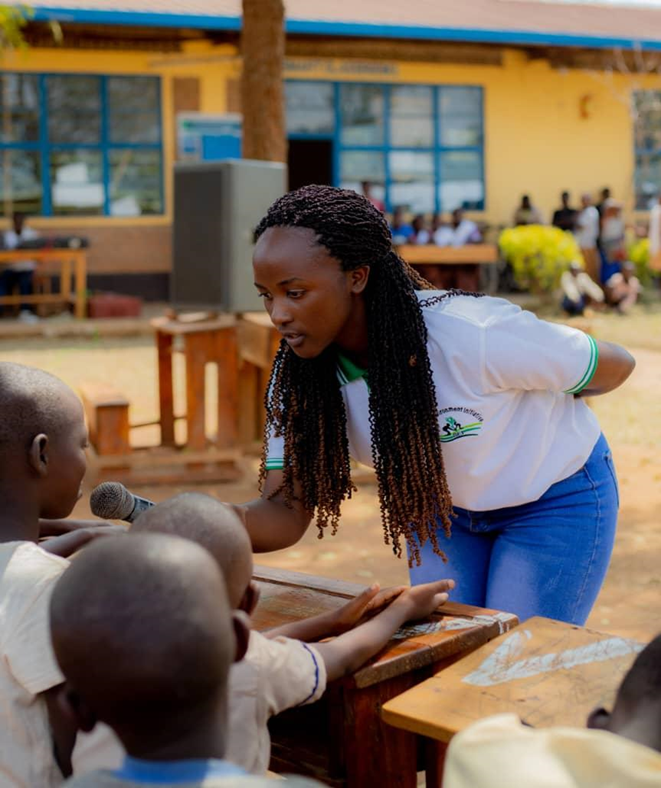
Mrs Josiane NIYONSENGA, SEI Programs Manager
During this session, several questions were raised by the students, and here are some examples along with their corresponding answers:
How does environmental degradation affect our daily lives? Environmental degradation has a significant impact on our daily lives. It can lead to air pollution, which affects our respiratory health and quality of life. Water pollution can result in the contamination of drinking water sources, leading to waterborne diseases. Soil degradation reduces agricultural productivity, impacting food security. Additionally, deforestation contributes to climate change, leading to extreme weather events such as droughts and floods.
What can we do as individuals to protect the environment? Individuals play a crucial role in protecting the environment, Minimize waste generation by using reusable products and recycling materials, Turn off lights and appliances when not in use, use energy-efficient devices, and choose renewable energy sources, Practice responsible water usage by fixing leaks, using water-saving fixtures, and avoiding unnecessary water wastage, Participate in tree planting initiatives to combat deforestation and promote biodiversity.
How can we address air pollution in our community? Addressing air pollution requires collective efforts from individuals, communities, and authorities. Encourage carpooling, use public transportation, or opt for non-motorized transportation methods like cycling or walking, Support the use of renewable energy sources such as solar or wind power instead of relying on fossil fuels, Encourage industries to adopt cleaner technologies, reduce emissions, and comply with environmental regulations.
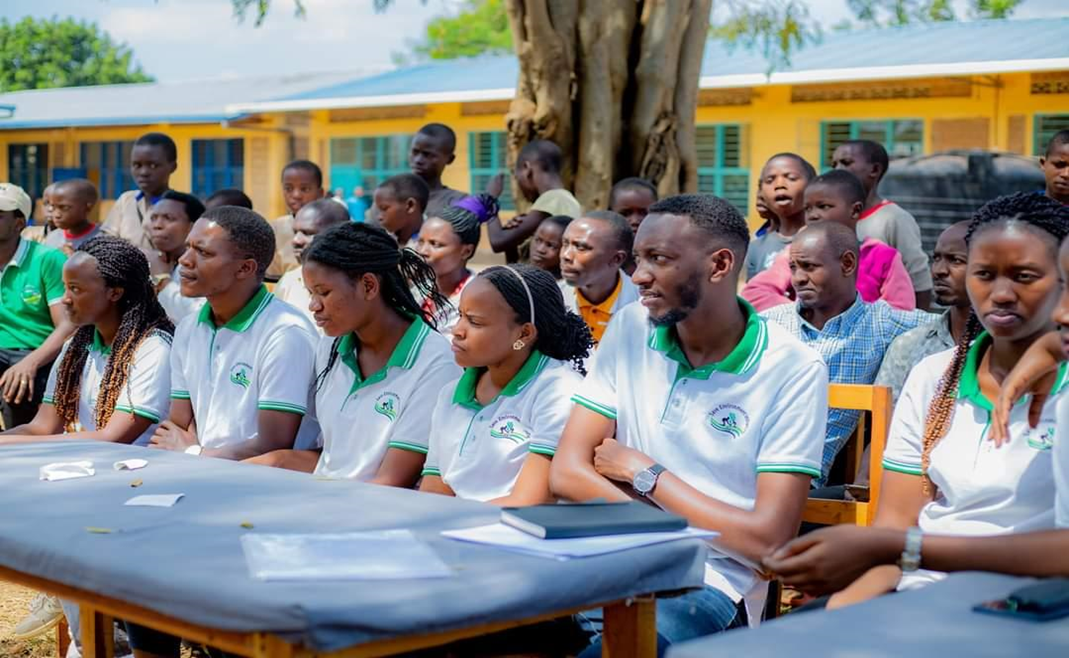
SEI Team
How does deforestation contribute to climate change? Deforestation significantly contributes to climate change through various mechanisms: Carbon dioxide (CO2) emissions: Trees act as carbon sinks, absorbing CO2 from the atmosphere. When forests are cleared, this stored carbon is released back into the atmosphere, contributing to greenhouse gas emissions, Forests are home to a wide range of plant and animal species. The destruction of these habitats leads to a loss of biodiversity, which disrupts ecosystems and reduces their resilience to climate change impacts, Trees play a crucial role in regulating the water cycle by absorbing water through their roots and releasing it through transpiration. Deforestation disrupts this cycle, leading to changes in rainfall patterns, increased soil erosion, and reduced water availability. Feedback loops: Forests also play a role in maintaining regional climate conditions. The removal of forests can alter local weather patterns, potentially leading to further deforestation or changes in temperature and precipitation.
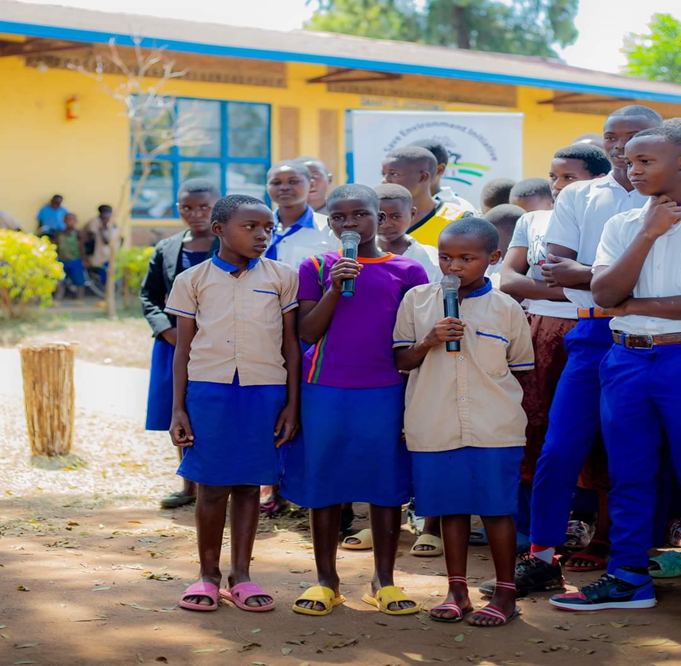

The students had the opportunity to showcase their talents through poems and songs cantered around environmental protection. The best performances were recognized and awarded by SEI as a means of encouraging and motivating the students to continue their efforts in safeguarding the environment.
The Accountant of GS Rugarama, who represented the Head teacher of the school, highlighted the importance of ecosystem balance and encouraged students to avoid burning fires as they were about to start their holidays. “Ecosystem balance is crucial for the health of our planet. It maintains a delicate balance between the various living organisms, as well as the non-living components, such as air, water, and soil. This balance is essential for the survival of all living organisms, including humans. By avoiding activities that disrupt ecosystem balance, such as burning fires, you are contributing to the preservation of ecosystems and the environment. Fires cause significant damage to ecosystems, including loss of biodiversity, soil erosion, and water pollution.” He said
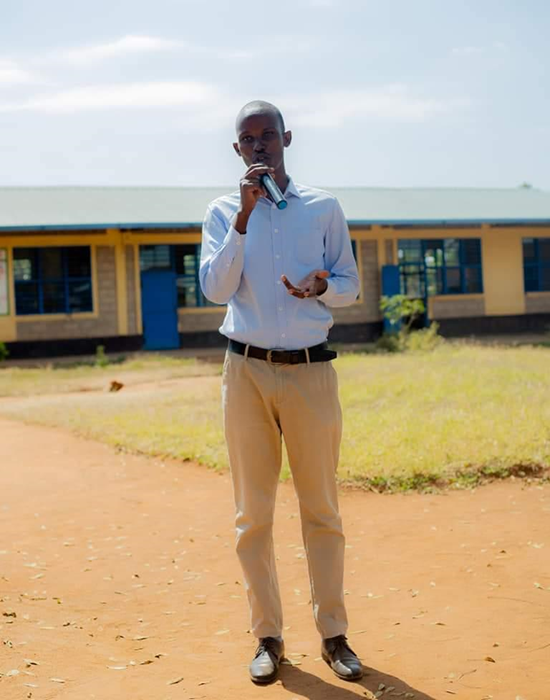
In his closing remarks, He expressed his appreciation to SEI for organizing this event. Watch the full event via on this link: https://youtu.be/pZW6KxmQU30?si=QtUs1A02h4LReFr6
Impacts
Challenges